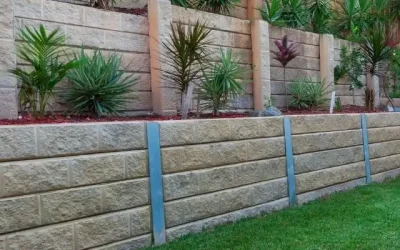
Why Sloping Blocks Lose Soil Faster Than You Expect
A sloping block looks manageable until the first heavy downpour. Water moves fast on an angle, and it takes topsoil with it every time it runs unchecked across bare or loosely planted ground.
The steeper the slope, the more force that water carries. Over time, that force strips away the nutrient-rich upper layers of soil, leaving behind compacted subsoil that drains poorly and supports very little plant growth.
Ipswich also has a high proportion of black soil and reactive clay, which swells when wet and shrinks when dry. That constant movement weakens the ground structure and accelerates soil erosion far more than most homeowners anticipate when they first buy a sloping block.
What Uncontrolled Runoff Actually Does to Your Property
Runoff does not just wash away dirt. It undercuts garden beds, deposits sediment against fences and structures, and can direct water toward your home’s footings if the slope runs toward the house.
Pooling water near a foundation is a serious problem. Reactive soils absorb that moisture unevenly, which causes ground movement that can crack slabs, shift footings, and damage structures over time.
Neighbours can also be affected. If your block channels water onto an adjoining property, you may carry some legal responsibility for that damage. Addressing runoff is not just about your garden, it is about protecting your whole site.
How a Retaining Wall Interrupts the Erosion Cycle
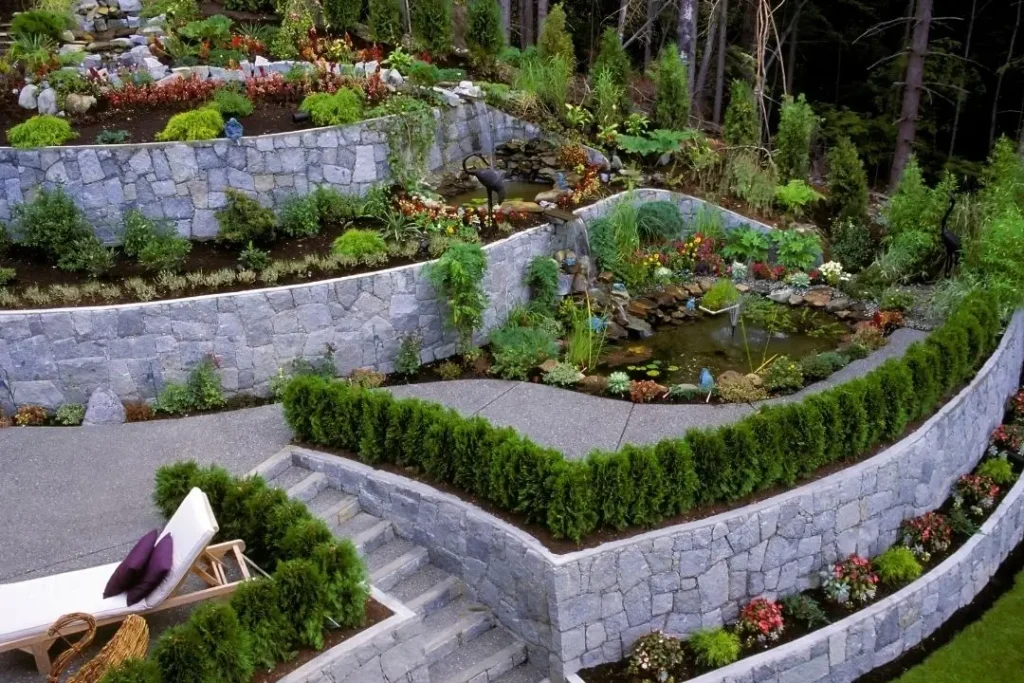
A retaining wall physically holds a mass of soil in place. Rather than letting water carry that soil downhill, the wall creates a level terrace that slows water movement and gives it somewhere to disperse safely.
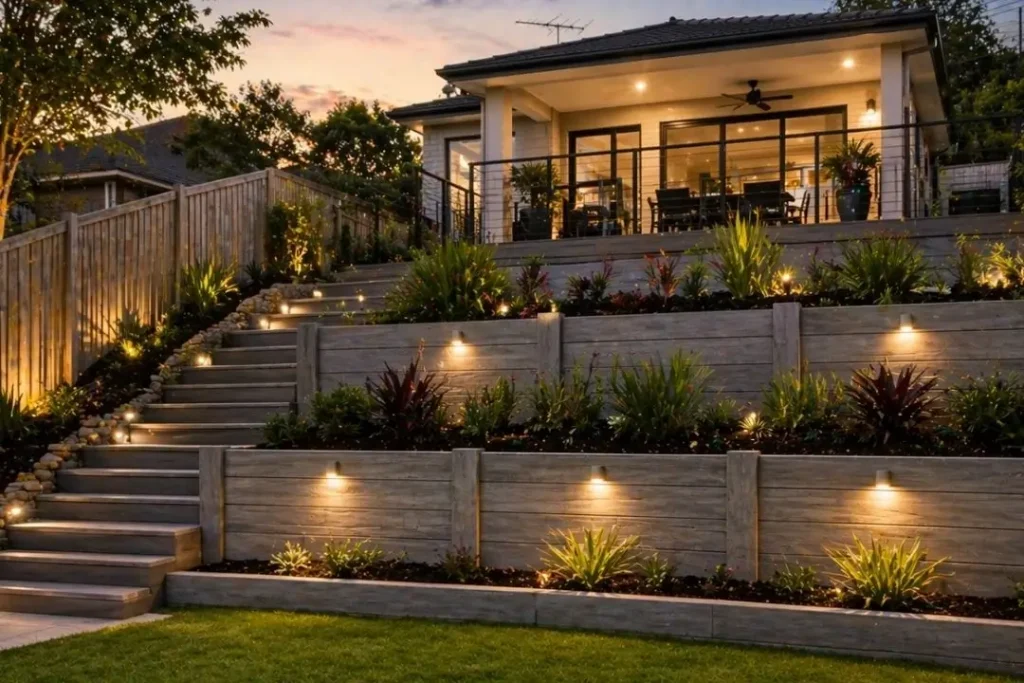
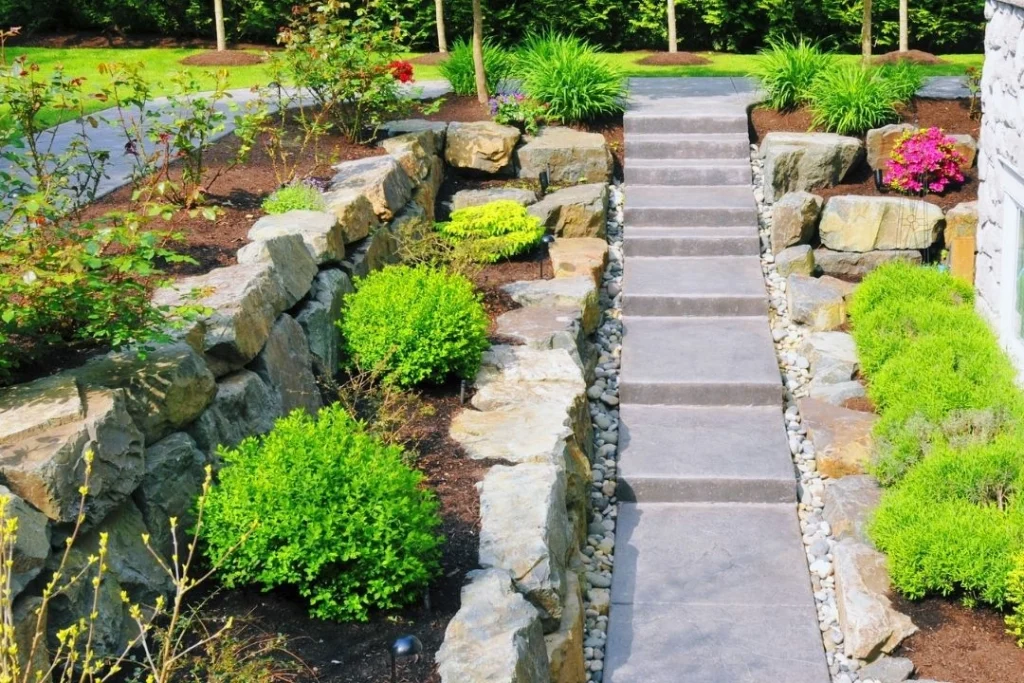
On a steep block, a single wall may not be enough. Tiered retaining walls break the slope into a series of flat or gently graded sections, each one reducing the speed and volume of water that reaches the next level down.
Experienced retaining wall contractors will assess the full run of your slope before recommending how many walls you need and where to position them for the best drainage outcome.
Drainage Behind the Wall Is Not Optional
A retaining wall that holds soil but traps water behind it will fail. Hydrostatic pressure, the weight of saturated soil pushing against the back of the wall, is one of the most common causes of retaining wall collapse.
Proper drainage behind a retaining wall typically includes a layer of coarse gravel or aggregate, a slotted agricultural pipe running along the base, and a geotextile fabric to stop fine soil particles from clogging the drainage layer over time.
Without these elements, waterlogged soil builds up behind the wall and the pressure eventually wins. Getting the drainage right from the start is what separates a wall that lasts from one that needs replacing in a few years.
Reactive Soil Adds Another Layer of Complexity
Black soil is common across Ipswich and the surrounding region. It is highly reactive, meaning it expands significantly when it absorbs moisture and contracts sharply as it dries out.
That cycle of swelling and shrinking puts repeated lateral pressure on any structure built to contain it. A wall designed for standard soil may not be engineered to handle the additional load that reactive clay generates.
This is why soil type needs to be factored into the design before construction starts. The wall height, footing depth, drainage specification, and material choice all need to account for how your specific soil behaves.
Choosing the Right Wall Material for a Wet or Erosion-Prone Site
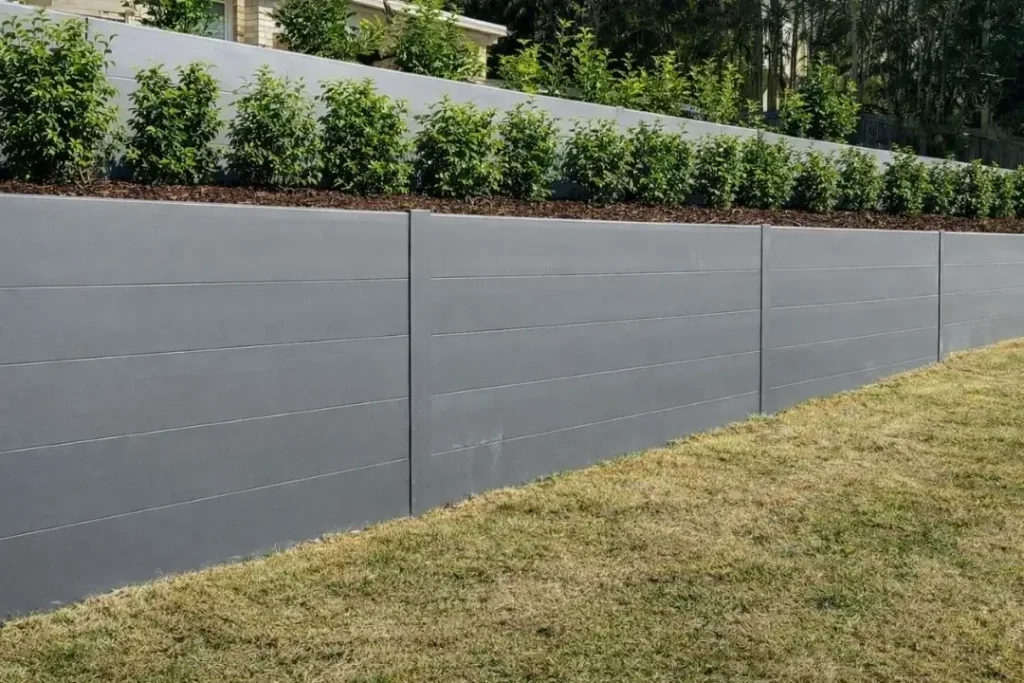
Timber sleepers are affordable but absorb moisture over time, which shortens their lifespan on sites with persistent drainage issues. Treated pine can work in drier conditions, but it is rarely the best choice where water management is the primary concern.
Concrete blocks and poured concrete are more durable in wet environments and can be engineered to handle higher loads. They also give you more flexibility in terms of height and footing design.
On sites where aesthetics matter alongside performance, composite retaining walls offer a timber-like appearance with significantly better resistance to moisture and ground movement. The overall cost of a retaining wall varies considerably depending on the material selected and the complexity of the drainage system required.
Vegetation Alone Will Not Solve the Problem
Planting ground cover on a slope does reduce surface erosion, and deep-rooted plants do help bind soil. But vegetation takes time to establish, and it offers no structural resistance to the lateral pressure that builds up in saturated ground.
On a steep or heavily loaded slope, plants are a complement to a retaining wall, not a replacement for one. Relying on vegetation alone on a reactive clay site is a risk that tends to show up clearly after the first wet season.
A combined approach works best: a properly engineered wall with drainage, followed by appropriate planting on the terraced areas to stabilise the surface soil between rain events.
What to Sort Out Before Any Work Starts
In Queensland, retaining walls over 1 metre in height generally require a building approval. On a sloping block where multiple walls are needed, some of those walls may be close enough together that the combined retained height triggers approval requirements even if each individual wall is under the threshold.
You will also need to check whether any easements, stormwater lines, or service corridors run through the area where the wall is planned. Building over or near these without the right approvals creates problems that are expensive to fix after the fact.
A site assessment before design work begins will identify these constraints early, so the wall is designed around them rather than running into them mid-project.
Ready to Sort Out Your Sloping Block?
If water is moving through your yard in ways you cannot control, or if you are watching soil shift after every rain event, a properly designed retaining wall with integrated drainage is the most reliable fix available.
Our team works with sloping blocks across Ipswich and the surrounding area, including sites with reactive black soil and complex drainage requirements. We assess the full slope, not just the section where you want a wall, so the solution addresses the whole problem.
To talk through your site, get in touch for practical advice on what your block actually needs and for your free onsite quote.