Understanding What a Retaining Wall Actually Does
A retaining wall is a structure built to hold back soil and prevent it from moving downhill or collapsing under its own weight. It creates a stable, level boundary between two areas of ground that sit at different heights. Without one, soil on a sloped or cut block will eventually shift, erode, or fail entirely.
Retaining walls are not just about appearance. They serve a structural purpose, managing the lateral pressure that soil exerts when it is banked up against a slope or cut. That pressure is real and significant, and it increases with rainfall, soil saturation, and the height of the retained earth.
Why Sloping Blocks Create Problems Over Time
Ipswich has a lot of sloping and undulating terrain, and many properties here were built on blocks that required cut and fill earthworks to create a usable yard or building platform. Over time, those cuts and fills can become unstable if they are not properly retained. You might notice cracking in garden edges, soil washing away after rain, or fences starting to lean.
A sloping block retaining wall is often the only practical way to stabilise ground that has been cut or filled. Leaving it unaddressed does not make the problem smaller. Soil movement tends to accelerate once it starts, particularly on blocks that experience heavy rainfall or have clay-heavy soil, both of which are common in this region.
The Situations That Actually Require a Retaining Wall
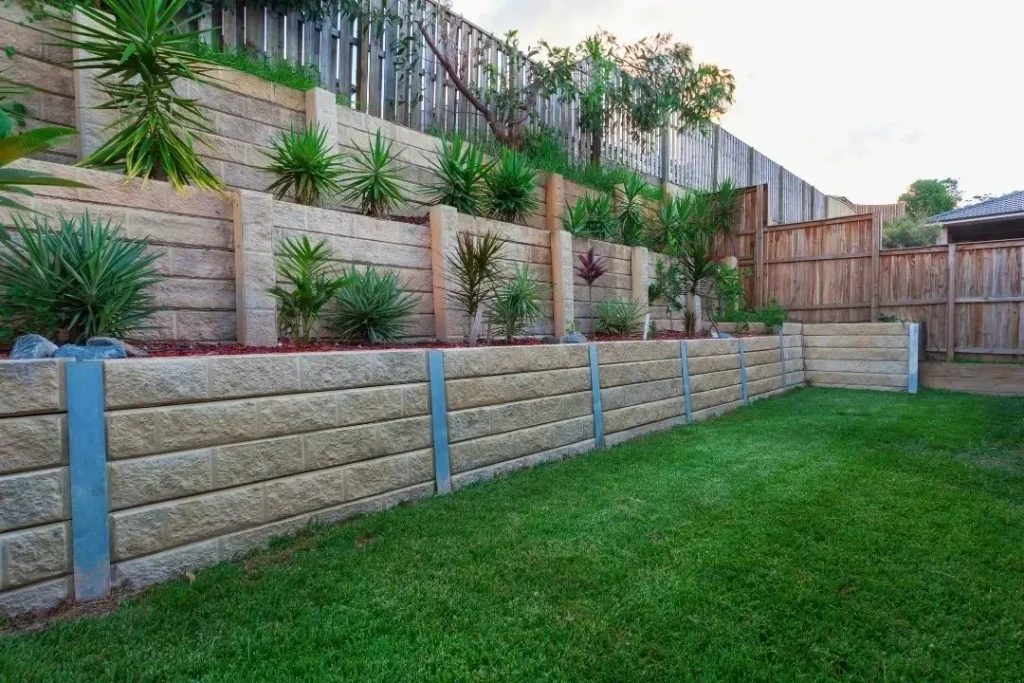
Not every slope needs a retaining wall, but there are specific situations where one becomes necessary rather than optional. If you are building a driveway, shed, pool, or home extension on a sloped block, you will almost certainly need retained earth to create a level working surface. The same applies if you are trying to create usable garden terraces or protect a structure from soil movement.
You also need to think about what sits above or below the slope. If there is a fence, a building, or a neighbouring property near the top of a cut, the consequences of soil movement go beyond your own yard. In those cases, a retaining wall is not just practical, it is a legal and safety responsibility.
Signs Your Property May Already Need One
There are some clear indicators that a retaining wall is overdue. Soil washing onto paths or into drains after rain, visible erosion channels on a slope, leaning or bowing fence posts, and cracking in existing garden walls are all warning signs. These are not cosmetic issues. They point to active ground movement that will worsen without intervention.
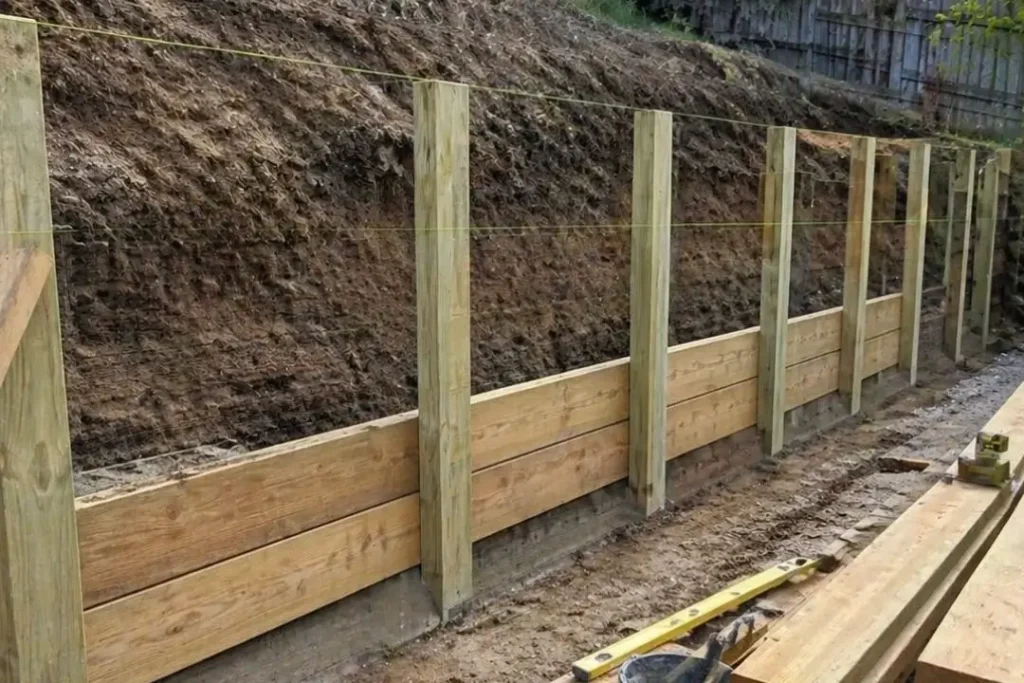
If you have an older timber sleeper wall on your property, it is worth having it assessed. Timber degrades over time, particularly in Queensland’s climate, and a failing wall can cause sudden soil movement rather than a gradual shift.
If you are unsure what to do next, a site assessment from an experienced contractor will give you a clear picture of what is happening and what your options are. You do not need to make that call alone.
When You Are Legally Required to Get Approval
In Queensland, retaining walls over a certain height require a building approval before work begins. The threshold is generally 1 metre for walls not associated with a swimming pool, though this can vary depending on your site conditions and local planning requirements. According to QBCC guidelines, walls above the threshold must be designed and built by a licensed contractor.
Check with Ipswich City Council before starting any retaining work, as local planning overlays and site-specific conditions can affect what approvals are needed. Getting this wrong can create problems when you sell the property or make a future insurance claim.
Choosing the Right Type of Wall for Your Situation
The type of retaining wall that suits your property depends on the height of the retained earth, the soil type, drainage conditions, and what sits above and below the wall. Timber sleepers, concrete sleepers, segmental blocks, and poured concrete are all used in residential settings, but they are not interchangeable. Each has different load-bearing capacity, lifespan, and cost.
For walls that need to handle significant height or load, concrete sleeper retaining walls are a commonly recommended option. They are durable, low maintenance, and well suited to Queensland conditions. A good contractor will assess your site before recommending a material, not the other way around.
What Happens If You Ignore the Problem
If soil from your property shifts onto a neighbour’s land or damages a shared fence or structure, you may be responsible for the cost of repairs. A properly built retaining wall removes that risk before it becomes a financial or legal issue.
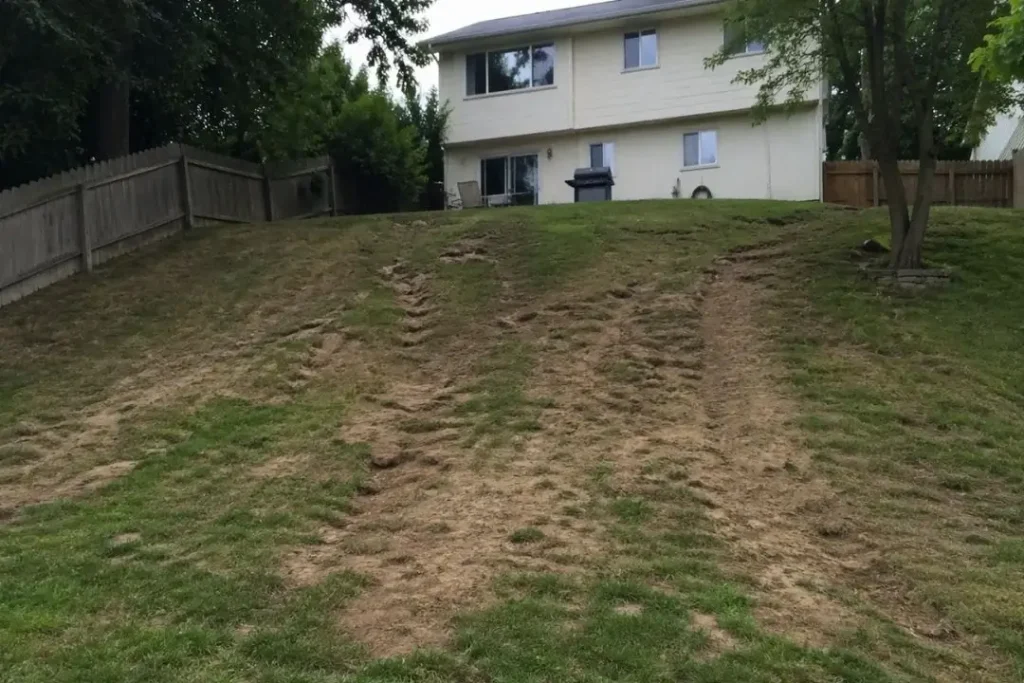
Soil movement does not resolve itself. A slope that looks stable today can shift significantly after a wet season, particularly where drainage is poor or the soil has a high clay content. The cost of repairing damage caused by a failed or absent retaining wall is nearly always higher than the cost of building one correctly from the start.
Get a Free Site Assessment in Ipswich
If you have noticed signs of soil movement or are unsure whether your block needs a retaining wall, the best next step is speaking with someone who has worked on similar sites in the area. For retaining walls Ipswich locals trust, local knowledge matters when it comes to soil types, drainage patterns, and council requirements.
Contact us to arrange a free site assessment, or call Justin directly on (07) 3485 0611.