The Lifespan Question Most Homeowners Ask Too Late
Most homeowners choose a retaining wall material based on upfront cost or appearance. Lifespan rarely enters the conversation until the wall starts to fail, and by then the cost of replacement is far higher than the original saving.
Concrete sleepers and treated timber are the two most common choices for residential retaining walls in Ipswich. Both can do the job, but they age very differently depending on soil conditions, moisture exposure, and how well the wall was built in the first place.
Understanding what drives the lifespan of each material helps you make a decision you will not regret five or ten years from now.
How Long Do Timber Retaining Walls Actually Last?
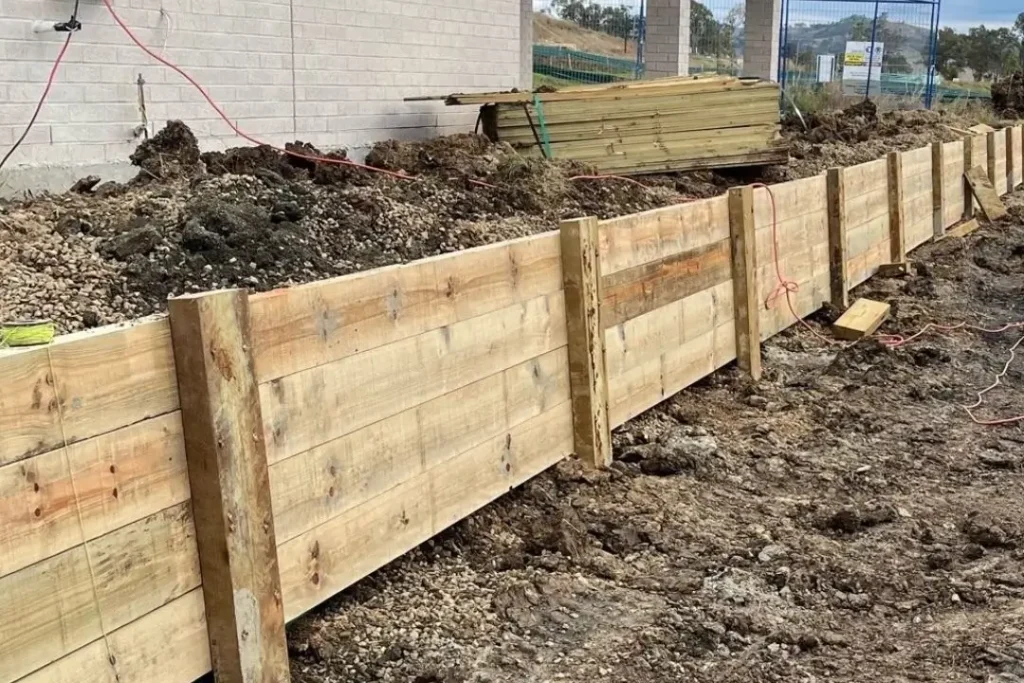
Treated pine is the standard timber used in residential retaining walls across Queensland. When properly treated and installed, it performs well in dry to moderately moist conditions.
The expected lifespan of a treated pine retaining wall sits between 15 and 25 years, though this varies considerably based on the hazard level rating of the timber and the conditions it faces. Timber rated for in-ground contact, such as H4 or H5 treated pine, is designed specifically for soil and moisture exposure.
The problem is that not all timber used in retaining walls carries the right treatment rating. Walls built with undersized or under-treated timber in wet or reactive clay soils can begin to rot, bow, or split well before the 15-year mark.
What Shortens a Timber Wall’s Life
Constant moisture is the biggest enemy of timber retaining walls. Poor drainage behind the wall traps water against the timber, accelerating rot and weakening the structure from the inside out.
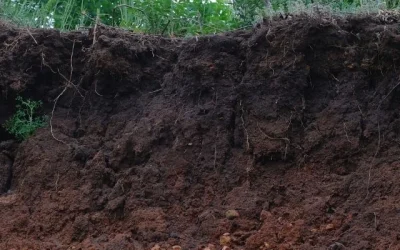
Soil movement is another factor. In Ipswich, reactive clay soils expand and contract with seasonal moisture changes, placing ongoing lateral pressure on retaining walls. Timber has some natural flexibility, but repeated movement over years leads to cracking, warping, and eventual structural failure.
Termite activity is also a real risk in South East Queensland. Even treated timber can be compromised if the treatment has degraded or the wall was not built with adequate termite protection in mind.
How Long Do Concrete Sleeper Retaining Walls Last?
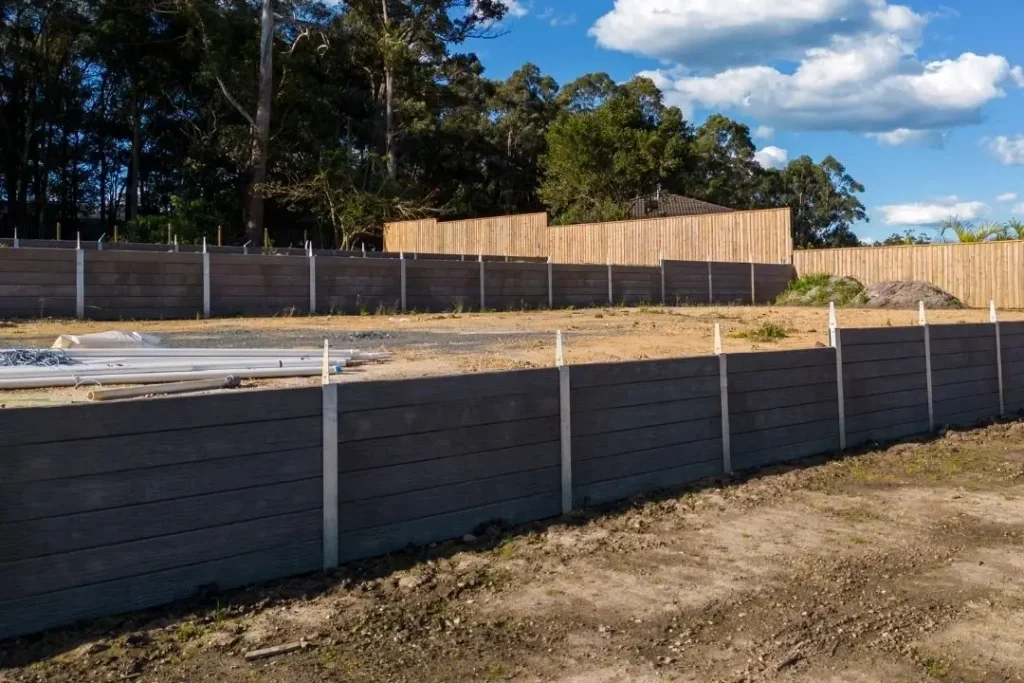
Concrete sleepers are precast reinforced panels designed specifically for retaining wall construction. They do not rot, they are not affected by termites, and they do not absorb moisture the way timber does.
A well-built concrete sleeper wall can last 50 years or more under normal residential conditions. The reinforced steel inside the sleeper adds structural strength, and the concrete itself is resistant to the soil movement and moisture exposure that shortens the life of timber walls. Manufacturers of concrete sleepers produce panels in a range of sizes and finishes suited to residential and commercial applications.
The lifespan advantage over timber is significant. In areas with heavy rainfall, reactive soils, or high termite pressure, the difference between the two materials becomes even more pronounced.
What Can Still Affect a Concrete Sleeper Wall
Concrete sleepers are durable, but the steel posts that hold them in place are a separate consideration. If the posts are not galvanised or powder-coated to an appropriate standard, they can corrode over time, particularly in wet or acidic soils.
Poor installation also undermines the material’s natural advantages. A concrete sleeper wall built without adequate drainage, correct post depth, or proper footing preparation will fail earlier than it should, regardless of how good the sleepers themselves are.
Retaining wall specialists who understand local soil conditions and drainage requirements make a measurable difference to how long any wall performs, regardless of the material chosen.
The Real Cost Comparison Over Time
Timber retaining walls cost less upfront. That is a straightforward fact, and for some projects it is a reasonable trade-off. A smaller wall on a stable, well-drained site may perform well for 20 years with minimal maintenance.
The calculation changes on larger walls, steeper sites, or properties with poor drainage. Replacing a failed timber wall involves demolition, disposal, and full reconstruction. When you factor in those costs, the initial saving on timber often disappears.
Concrete sleepers carry a higher upfront cost, but the extended lifespan and lower maintenance requirements mean the total cost over the life of the wall is frequently lower. When you factor in those costs, the initial saving on timber often disappears. Before making a final decision between timber, concrete sleepers, or any other retaining wall material, it is worth running the numbers across the full lifespan rather than upfront cost alone.
Which Material Suits Your Site?
Timber suits smaller, lower-height walls on well-drained sites where budget is the primary constraint and the homeowner understands the maintenance and replacement timeline involved.
Concrete sleepers suit taller walls, sites with poor drainage, reactive clay soils, or anywhere the cost of future replacement would be significant. They are also the better choice where appearance and finish matter over the long term, as concrete sleepers hold their shape and colour far longer than timber.
In Ipswich specifically, the combination of reactive clay soils and high seasonal rainfall means many sites are better suited to concrete sleepers than the upfront price difference might suggest. Walls built to retain significant soil loads on these sites need a material that can handle ongoing ground movement without degrading.
What to Check Before You Decide
Before committing to either material, assess the drainage situation behind the wall. If water has nowhere to go, no material will perform as expected without proper agricultural drainage installed during construction.
Check the height of the wall you need. In Queensland, retaining walls over one metre in height typically require a building approval, and the structural requirements for taller walls favour concrete sleepers in most cases.
Also consider what sits above the wall. A wall retaining a driveway, a structure, or a significant soil load needs to be built to a higher standard than one retaining a garden bed. The material choice should reflect the load the wall will carry, not just the look you want to achieve.
Ready to Work Out the Right Option for Your Property?
If you are weighing up materials for a new wall or replacing one that has reached the end of its life, a site assessment takes the guesswork out of the decision. Our team looks at your soil conditions, drainage, wall height, and load requirements before recommending anything.
To talk through your project, get in touch or call us directly on (07) 3485 0611. We can give you a clear picture of what will work on your specific site and what it will cost with our free onsite quote.